Digital marketing trends for 2026 - what’s changing & how to stay ahead


- AI is moving from experimenting to being a part of everyday work.
- Search behavior is shifting toward conversational and generative results.
- People search by asking questions and using AI tools, not just typing keywords.
- There’s too much content online, so better quality and a better user experience matter more than posting often.
- In terms of personalization, predicting what users need becomes more important than simply grouping users into audiences.
- Stricter privacy rules bring another shift, and it’s reflected in relying on your own user data.
- Consistent and accessible design becomes a tool for faster growth.
There are several digital marketing trends we’re able to catch sight of even now, and we expect them to become even more dominant through 2026. There’s no denying marketing is moving toward smarter automation, but also stronger trust and content that offers real value.
AI-driven personalization, interactive videos, and omnichannel presence are some of the meain focus on new digital marketing trends. They are followed by an obvious focus on creators and communities and personalized experiences built through first-party instead of third-party data.
It may all seem too much at the beginning, but we are ready to provide comprehensive explanations for every trend we see emerging.
What is the trend in digital marketing?
The thing is, there’s no single trend that defines digital marketing. AI, video, search, personalization, and privacy shifts - all of it (and much more) is happening in 2026, and all of these trends influence each other. If you study them correctly, they can point out where you should invest your time and resources - and do it with great success.
What are the top 7 types of digital marketing, and are they all affected by 2026 trends?
The top 7 types of digital marketing are:
- Content marketing
- Social media marketing
- Email marketing
- Search marketing (organic and paid)
- Video marketing – short-form, tutorials, storytelling.
- Influencer and affiliate marketing
- Paid advertising / PPC
There is not one of these digital marketing types which stragety is not being shaped by 2026 trends. For example, content marketing now aims to give real value (instead of filling pages). PPC, on the other hand, shifts its focus from broad campaigns to smarter targeting.
The top digital marketing trends of 2026
What are the current trends in digital marketing? As the new year begins, emerging and ongoing digital marketing trends are becoming clearer. Here’s what we expect (not to say predict), which trends will become leading ones:
Trend deep-dive - what’s actually changing in 2026
When it comes to new trends, it’s clear that digital marketing is moving to new perspectives and creating new ways for brands to connect with people.
That said, these are the trends you’ll want to watch in 2026 if you wish to stay ahead.
- AI is now a core part of marketing - not an add-on
AI is now built into daily marketing work, and it will become even more so. Stronger AI use is also one of the main web design trends for 2026. It’s inevitable for teams to use artificial intelligence when writing and updating content, but there is more that AI is capable of. For example, it can automate campaigns or quickly test different versions of landing pages.
What does this mean for businesses? Marketing teams can do more with fewer people, but it’s more than that. It means that less time goes into manual tasks, so you’re able focus better on strategy and testing, or even experimenting.
- Experience-first marketing replaces channel-first marketing
The focus is on the user-centred solutions and the entire experience people have with a brand. It means everything counts - design, user experience, loading speed, accessibility, animations, and onboarding, and they all need to work together.
It basically means that a website needs to do more than look good. From the first interaction, it needs to feel premium and intuitive in order to convert.
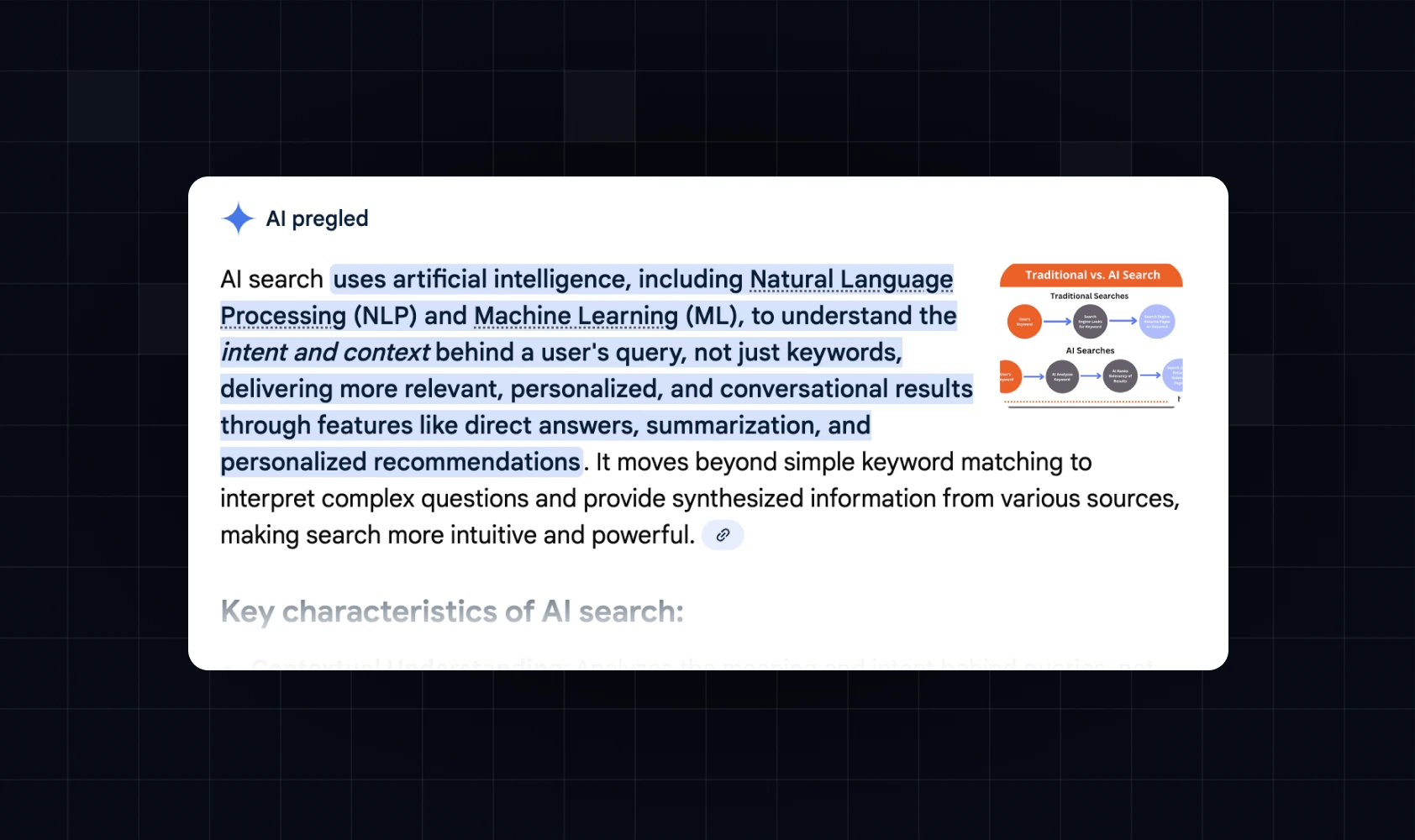
- Search is transforming into an answer engine
You’ve noticed how AI tools give direct answers, and it lead sto fewer people clicking through to websites. Because of that, stuffing pages with keywords won’t work anymore. So, what does matter? Well-structured content and a clear page are at the top of the list.
Instead of writing one long article and aiming to rank it for, well, everything, you should create focused pages. These pages should answer specific questions and structure the information clearly so both users and AI can understand.
- Predictive personalization becomes expected
The rise of personalized experiences will drive people to expect websites to adapt to them automatically. It means creating sites that respond based on how people behave and what they’re looking for (or had looked for in past searches).
For instance, it’s possible to offer completely different CTAs for a returning visitor and a first-time visitor, and do so based on the actions they’ve already taken. It’s only natural that brands that adopt this practice will see higher conversion rates.
- Privacy-first digital marketing is the new default
We should also expect fewer cookies altogether (finally), alongside stricter privacy rules. Opt-in personalization is one of the 2026 trends, meaning providing personalized experiences based on data users have clearly agreed to share.
As we already established, first-party data is becoming far more valuable than third-party data. The goal is building trust, which directly affects conversions.
- Video stays dominant, but value beats production
Going forward, video will remain one of the strongest content formats, but its focus is changing. The single most important thing videos should provide now is usefulness, not high production quality. Cinematic brand ads were amazing to watch, that’s for sure, but people now lean more towards short tutorials, or, for example, founder-led videos.
The most obvious example of brands focusing on usefulness can be seen in SaaS platform designs and their micro-explanation videos, which are meant to help users understand the product faster.
- Zero-click platforms shift traffic patterns
Clicking through to a website to find what you’re looking for is slowly becoming a thing of the past - you can easily spot it in your personal experience, as well. Channels like TikTok, Instagram, YouTube, and Pinterest, on one hand, and AI search results, on the other, are places where users look for what they need.
Brands still should create valuable content. What’s changing is where it lives - and more of it should happen inside the platforms we mentioned. Still, it doesn’t mean that custom website solutions are not important anymore. They’re simply used for intentional and deeper product exploration.
- Brands with depth outperform brands with reach
Having a large audience is no longer enough. Instead of focusing solely on the reach, brands will stand a better chance when they’re producing real depth. It can be accomplished through communities and newsletters, or, for example, by providing transparent communication and founder-led content.
As with many trends we listed above, you can see that trust is basically becoming a measurable performance metric. The reason behind it is simple - brands that invest in long-term relationships see higher engagement, and higher engagement leads to better conversion over time.
How these 2026 trends affect businesses
We’ve made a list of the latest digital marketing trends and what they actually imply. The bullet below is a practical summary of what changes actually mean for businesses day to day. We deem it a good starting point for considering how to build and market your product in 2026.
- Higher expectations around UX and website quality - a website that simply looks good won’t be able to convert or, for that matter, rank. Users are coming to expect intuitive UX/UI design as a default.
- More pressure to ship original, expert-led content - generic content filled with keywords is out. Opinions and expertise, followed by real examples and clear points of view, are what users are looking for.
- Need for design consistency across every touchpoint - all your channels need to feel connected (website, social, emails, and so on). If they are not, they are bound to weaken user trust.
- Greater importance on first-party data and CRM strategy - businesses must start collecting their own user data and manage it transparently.
- Performance and speed directly impact visibility and revenue - slow pages hurt search performance, but also AI visibility, and that can seriously impact conversions.
- New hiring patterns emerge - teams are also changing their structure. They are becoming leaner, with fewer pure production roles and more strategists.
What you should start doing right now
Considering all that is said above, there are certain actions you can take even now to prepare for emerging 2026 digital marketing trends:
- Audit your website UX - make sure it stays clear and fast, as well as mobile-friendly.
- Clean up content - remove content that’s outdated and unhelpful.
- Build or improve your design system - it will help you stay consistent across and avoid redesigns later on.
- Create LLM-friendly page structures - include FAQs, work on semantic headings, but also clarity
- Implement first-party tracking and consent-friendly analytics - track user behavior in a transparent way, with clear consent.
- Start testing lightweight video content - use short and simple types of videos, such as helpful explanations
- Prioritize brand voice, founder insights, and original research - forget about generic marketing language and replace it with real expertise and opinions.
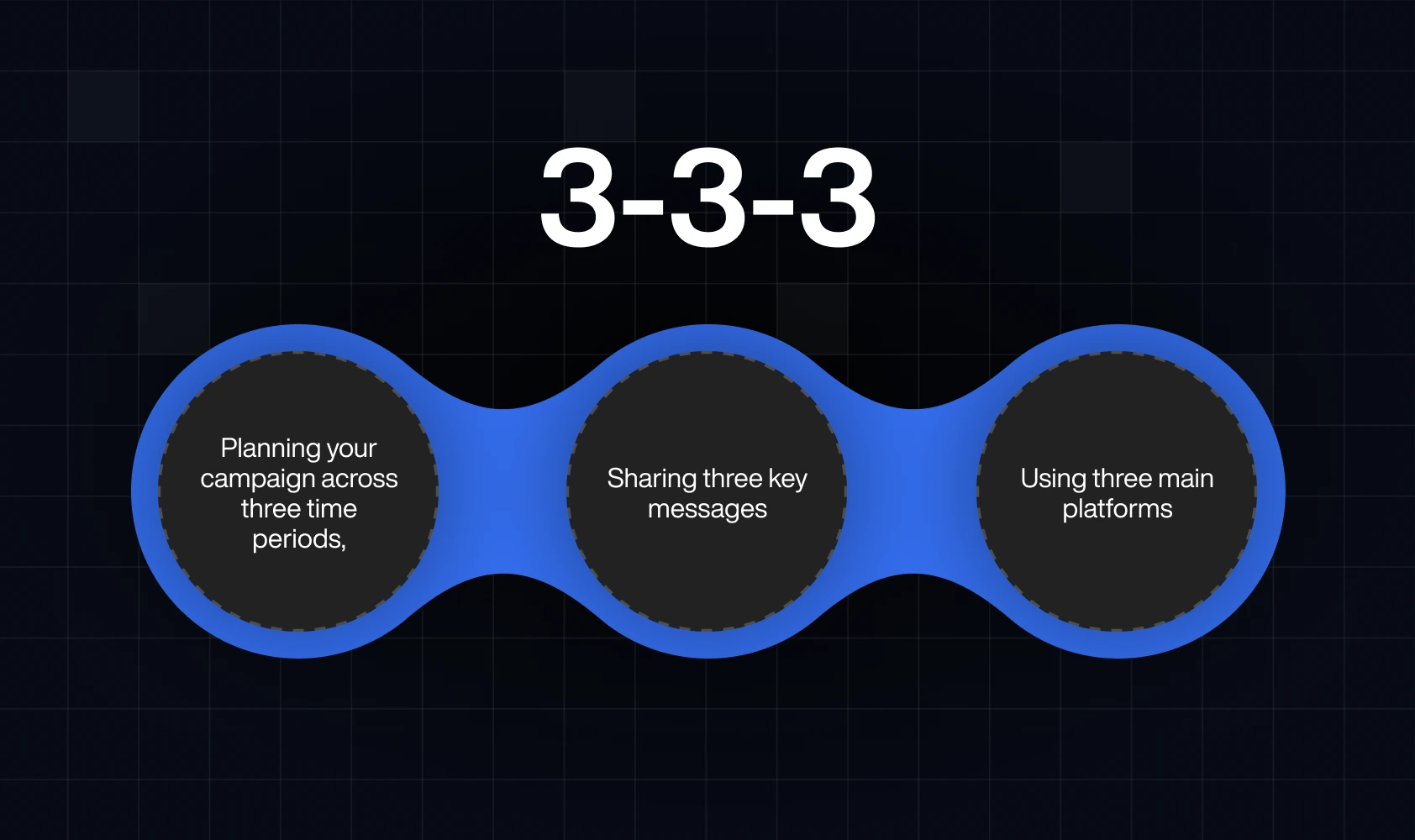
Is it possible to keep following the 3-3-3 rule?
What is the 3-3-3 rule in marketing? It’s a rule that implies:
- Planning your campaign across three time periods,
- Sharing three key messages,
- Using three main platforms.
Marketing is more complex than ever, so it becomes easy to scatter your efforts. This rule helps you narrow your focus and avoid spreading yourself too thin. However, there’s a catch - now each choice needs to account for trends like AI personalization, short-form video, and all of the other trends on our list.
FAQ
What are the biggest digital marketing trends for 2026?
A lot of it comes down to being more useful and more human. As we se it now, AI-powered marketing, experience-first websites, zero-click platforms, privacy-first data, and valuable video content are leading the way.
How is AI changing digital marketing in 2026?
AI is doing the heavy lifting. It helps with planning, personalization, testing, and automation, so teams can spend less time on repetitive tasks and more time shaping strategies.
How does the shift to AI search impact SEO strategies?
Instead of filling text with keywords, good SEO now implies clear answers and structured content. It’s important to create pages that are easy for humans and AI to trust.
What should small businesses focus on in 2026 marketing?
Strong UX and clear positioning, first and foremost. Then focus on collecting first-party data and creating fewer but better pieces of content.
Will video content still dominate digital marketing in 2026?
Yes, but not the overly polished kind. Helpful videos that go straight to the point usually perform better than high-budget brand ads.
How are privacy changes affecting marketers this year?
Third-party cookies are fading out, and first-party data is taking over.
What is experience-driven marketing, and why does it matter?
It’s about how your brand feels at every touchpoint (your website, content, emails, product, everything). When the experience is smooth and thoughtful, trust follows naturally.
How do brands adapt to zero-click search and social platforms?
By giving value right there on the platform. You can’t rely only on sending people to your website anymore (and honestly, that hasn’t worked for a while).
What marketing skills are most in demand in 2026?
Strategic thinking, UX awareness, understanding AI, storytelling, and knowing how to read data. If we have to say it in one sentence, then we’d say that the ability to connect the dots is what really counts.
How can companies prepare for 2027 digital marketing trends?
Focus on strong foundations - solid design systems, clean data, flexible teams, and clear positioning. The reasoning is simple - trends change, but good structure always pays off.
What is the 70 20 10 rule in digital marketing, and should I use it in 2026?
The 70–20–10 rule means spending 70% of your effort on proven strategies, 20% on testing improvements, and 10% on new ideas. It’s not strictly trend-related, so it can be used throughout 2026 and later on. The important thing is that, whether you’re working with content, ads, or Webflow solutions, the rule helps you adapt to change without losing consistency.

Read next


Let’s talk about what’s next.